In the hustle and bustle of modern life, the idea of cultivating your own home garden can be a refreshing and rewarding endeavor. If you’re concerned about the cost, fear not! Starting a home garden on a budget is not only possible but can be incredibly satisfying. Here’s a guide to help you embark on your green journey without breaking the bank.
I can’t wait to help you get started on your gardening journey!
Whether you come prepared with a budget in mind or know darn well this little space will be willed into existence by pure determination and grit, I’m here to help guide you.

Gardening Basics: The Must Haves
First, lets chat about some of the things that are absolutely imperative to have in order for any garden to succeed.
- Sunlight! As we all know, no plant will survive without this basic element. Luckily for us budget gardeners, this one is totally free! Your garden will ideally need 6-8 hours of full sun each day.
- Water. Again, very basic element of life here. This one may not be free but likely won’t break the bank either. If you do have a water source such as a stream or spring near where your garden could be planted then all the better! Another option if you have a little wiggle room in your home garden budget would be investing in rain barrels. These will pay for themselves in one season if used regularly.
- Good soil to grow in. This one may be more difficult to come by depending on where you live. If your soil is super rocky or hard clay like mine, it can make things a little more tricky. Having a compost pile will help with this tremendously and costs next to nothing to get one started. For more info on composting, click here.
- Seeds or young plants. For our budget garden, seeds are usually much easier to come by and will cost MUCH less than buying individual plants.
That’s really the basics of what you’ll NEED to begin your home garden. Not too scary so far, right?
So, how do you start your home garden on a small budget?
I get this question quite often from those who are interested in dipping their toes into gardening but not sure about the commitment involved for both time and money. It is absolutely possible to get your home garden started on a small budget (financially speaking, I make no promises on the time commitment).
If you don’t have much room in your budget or simply don’t want to invest too much money into your home garden at the start, that’s fine! Creating your new garden can absolutely be done on a shoestring budget.
Steps to Follow for Your Budget Home Garden
Plan and Research First
Begin by researching the types of plants that thrive in your local area. Opt for easy-to-grow vegetables and herbs that can be both practical and cost-effective. Planning ahead prevents impulse purchases and ensures you choose plants that suit your space and resources.
Seed Swapping
Save money on seeds by participating in seed swaps or seeking out gardening communities in your area. Sharing seeds not only reduces costs but also introduces you to a network of experienced gardeners who can provide valuable tips.
Save Your Scraps
Composting is a fantastic way to enrich your soil without spending a dime. Collect kitchen scraps like fruit peels, vegetable trimmings, and coffee grounds. Build a simple compost bin in your backyard to create nutrient-rich compost for your plants.
Natural Bed Borders or Upcycled Containers
When planning your garden area, instead of purchasing materials for a raised bed for example, use found materials around your property to create garden borders. Smaller trees can be cut down to use as a border in your garden area. Rocks are also a great free resource to use in your garden as a border or plant marker.
Don’t bother splurging on expensive pots, get creative with upcycled containers. Old buckets, wooden crates, or even tires can be transformed into unique and budget-friendly planters. Just ensure proper drainage for your plants to thrive.
Buy in Bulk
Consider purchasing seeds, soil, and fertilizers in bulk to take advantage of cost savings. Many gardening supplies stores offer discounts on larger quantities, helping you stretch your budget further.
Watering Wisely
Save on water bills by collecting rainwater in barrels. Place them strategically near your garden – close enough that the hose will easily reach your new plants. Additionally, water your plants in the early morning or late afternoon to minimize evaporation.
Start Small With Your Home Garden
Don’t feel like you have to establish a sprawling oasis of lush greenery immediately. Start small with a few carefully chosen plants and gradually expand as you gain experience. This approach allows you to manage costs more effectively and learn the nuances of gardening at your own pace.
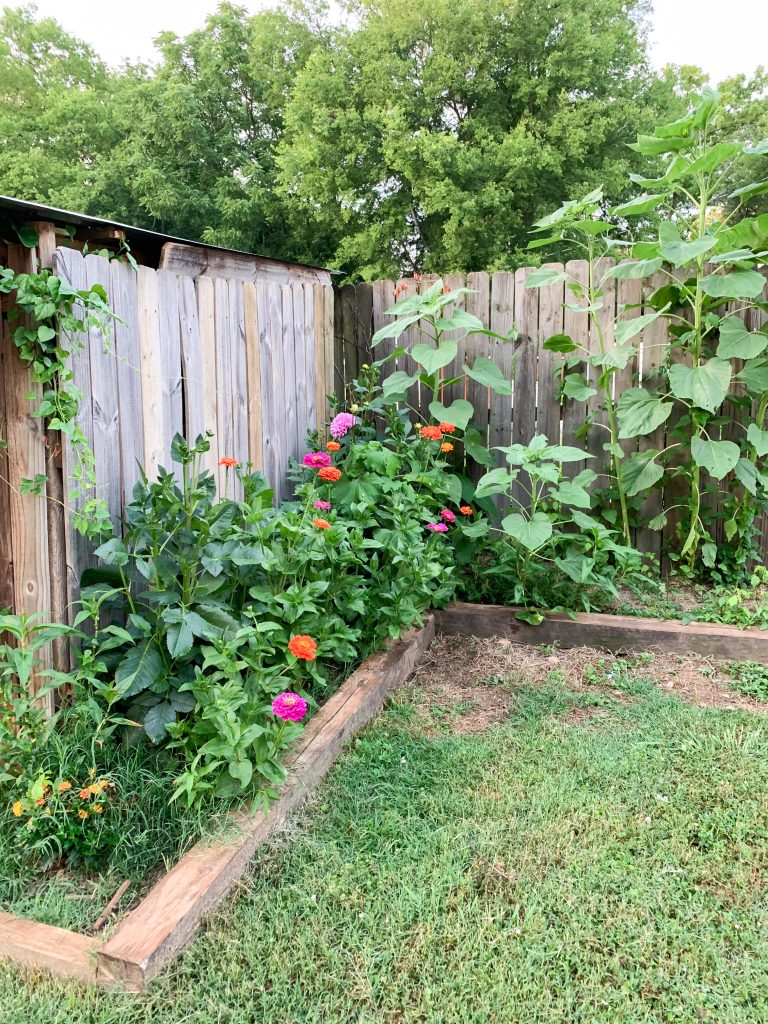
My very first garden I planted back in 2019 was FULL of beautiful flowers with a few vegetables here and there. And I definitely bit off more than I could chew. The weeds got out of hand pretty quickly and watering became a chore when I wasn’t prepared for the added responsibilities.
DIY Garden Tools
Invest your time in crafting basic garden tools like markers, plant supports, and watering cans from repurposed materials. You can start your seeds in old paper egg cartons or have your kids decorate their leftover popsicle sticks as plant markers. DIY projects not only save money but will also add a personal touch to your garden.
Local Resources
Take advantage of local resources such as community gardens, gardening workshops, or agricultural extension programs. These can provide free or affordable access to tools, advice, and even additional plants. Your local library, 4-H chapter, or agriculture departments would be a great place to start seeking information on these opportunities.
Patience and Persistence
Remember that gardening is a journey, not a destination! Be patient with the process and celebrate small victories. As your garden grows, so will your knowledge and ability to manage it on a budget. Add to your garden each year or maintain what you know you can handle and enjoy the process!
Experience is the Best Teacher
Starting a home garden on a budget is a fulfilling and sustainable way to connect with nature. There will be a ton of trial and error along the way and you’ll have to learn to bounce back after some unexpected Japanese beetles decide to decimate your newly established flower bed, for example. However, by incorporating the above tips, you can cultivate a thriving garden without putting a strain on your wallet.

Happy gardening friends!
Until next time,
Olivia