If you love fresh flowers in your home or yard, this is the blog post for you! Cut flower gardening has quickly become one of my very favorite hobbies since I took on the role of full time homemaker. It’s a wonderful and relatively budget friendly way to bring the beauty of nature right into your home, creating a fresh and vibrant environment for you and your family.
Having fresh flowers throughout your home no matter how big or small your space may be will always instantly elevate a room. It’s also been proven that the sight and aroma of fresh flowers is an instant mood booster and can provide calming effects. I don’t know about you, but I could always use an extra dose of calm with 3 kids running around underfoot!

Creating your very own flower garden can bring so much joy not only to you but also to those around you and anyone visiting your home. Cut flowers also make a lovely and thoughtful last minute gift idea when you’re attending a party or simply in a pinch!
Today I’m sharing ten essential tips to help you begin your journey as a cut flower gardener.
Step one: Assess Your Space
How will your cut flower garden look and where will you put it? Consider your available space before deciding on a garden style. Will you be planting in pots on your patio? Adding a small raised bed or two on the side of the yard? Do you already have an established area with extra space to put a few zinnia seeds or dahlia tubers?
It doesn’t have to be a full acre garden to have enough blooms to last the season, trust me! I started with pots on our front porch, then moved onto a small raised garden bed along the side of our backyard shed which I expanded the following year to run along our fence line. When we moved house 3 years ago I had to get creative and planted them in any open spot I could find within our existing garden beds. This year I hope to add a few raised beds! Whatever outdoor space you have available to you will do just fine.
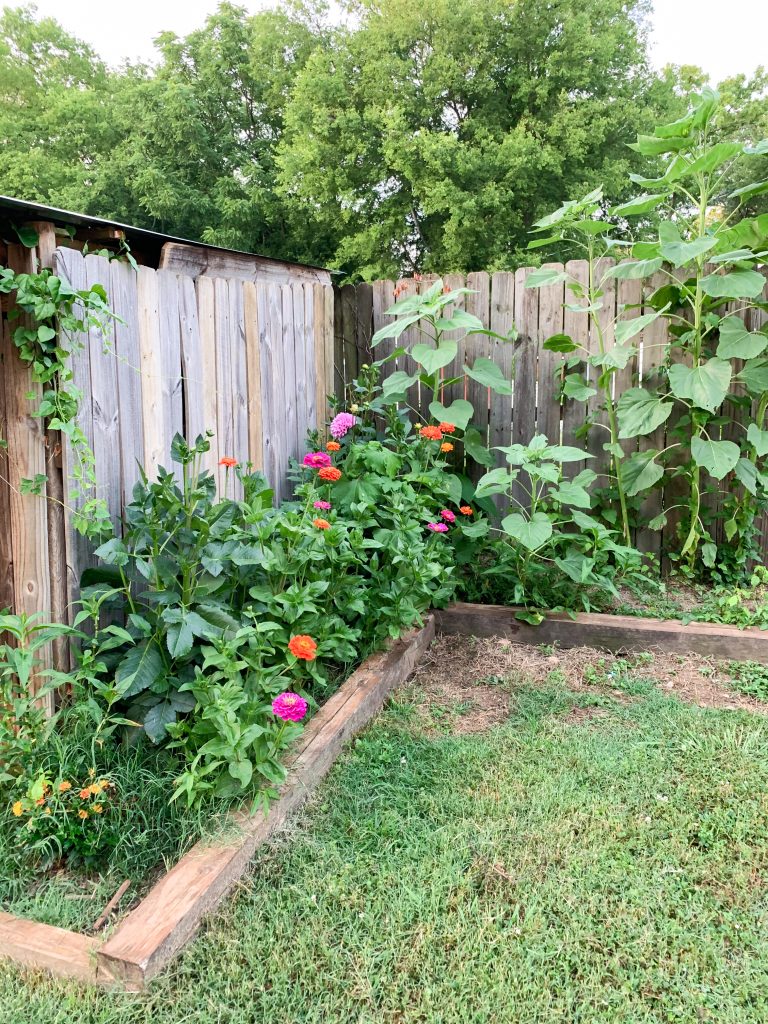
Whichever route you decide to take, be sure that your flowers will receive at least 6 hours of full sun each day. 6-8 hours of sunlight would be considered ideal. Any less and they won’t bloom to their fullest potential. Look for a spot in your yard that gets plenty of light and is away from large trees or shadows from buildings. Aside from choosing a sunny spot, consider planting near a water source for ease of watering. Also, think about visibility—plant your flowers where you can enjoy them, whether that’s near a kitchen window or along a walkway. Growing your new flower garden in the right location will be imperative for your gardening success.
I suggest starting small with your cut flower garden and see what works best for you.
Step Two: Choose Beginner Friendly Flowers
Annuals
Some flowers are particularly forgiving for beginners but it certainly doesn’t take away from their beauty! Choosing the right plants for your location will also be something you need to consider. Certain flowers will not do as well in a hot and dry climate where others may thrive. Similarly, some will not like cooler temperatures and will suffer not matter how much care you give them. Look up the best flowers for your area before finalizing your plant selection. Your local garden center can be a great resource for this to ensure you establish a healthy and beautiful garden.
A few of my very favorites that you may consider starting with include:
- Sunflowers – They’re hardy, grow quickly, and their large blooms make any room brighter.
- Zinnias – With a variety of colors, they’re drought-resistant and bloom abundantly.
- Cosmos – These add a delicate touch to any arrangement and are very easy to grow.
- Marigolds – Besides their vibrant colors, marigolds are great for pest control!
You can find all of these seeds at your local dollar store and yes, they are very easy to grow from seed! Unless you’re starting late in the season, I would not purchase these in plant form to plant in your garden. Starting the seeds yourself is very simple and so rewarding. It’s also much more budget friendly! A few bucks and you could begin your very first cut flower gardening season in no time. Just read the instructions on the back of each seed packet closely and ensure you put them in the ground after any dangers of frost have passed.
Perennials
If you have beds around your home that have already been established, it’s also quite simple to add to the existing greenery depending on how much space is available. In this case, perennial flowers would be a wonderful option and I encourage you to consider adding these in when planning your cut flower garden. Native plants will typically work best for your perennial garden. Some easy to grow perennial plants include:
- Roses – These drought tolerant and easy to grow bushes will produce beautiful blooms from spring until fall.
- Coneflower – There are many varieties of coneflower available and they really make an impact in a sunny garden bed!
- Chrysanthemums (Mums) – stunning floral displays in the late summer and Fall make this easy to grow plant well worth your time.
With the exception of coneflower which can be easily started from seed, I suggest purchasing these as a small plant from your local nursery. Your perennial garden will continue to bloom year after year. A few other favorite perennials include phlox, azaleas, coreopsis, and clematis. All of these flowering plants are easy to grow and will add so much beauty to your new flower bed.
Step Three: Soil Prep
Healthy soil is the foundation of a flourishing garden. You could perform a simple soil test to find out what you yard needs to produce the most luxurious blooms but this is not fully necessary for a decent home garden. Your soil type (clay, sand, etc) can play a factor but this wont make a huge difference if you choose to plant in pots or raised beds. As long as you mix in organic matter like compost or well-rotted manure to enrich your soil, you shouldn’t have to worry too much about soil types for now.
Healthy soil will help your flowers grow strong and continue to produce all season long. I do not claim to be a soil expert by any means and usually will pick up a few bags of compost and garden soil to freshen up our beds each year. If you’d like to try your hand at making your own compost you can check out my post here!
Step Four: Enjoy the Process
Remember, gardening is as much about the journey as it is about the destination. The best way to become “successful” is to simply start and learn as much as you can along the way! Take time to enjoy the process of watching your flowers grow.
Top Tips for a Successful Flower Garden
Consider Raised Beds
Raised beds can be a great way to start your cut flower gardens. They allow for better drainage, easier weed control, and can be filled with that high-quality soil we were just talking about. Plus, they’re easier on your back which makes adding new plants in a breeze! When planning for raised beds keep in mind that any tall plants will need to be located toward the back or middle so they don’t block the sun for smaller plants.
Water Wisely
Water your plants in the morning to allow any moisture on the leaves to dry out during the day, reducing the risk of diseases. Aim for deep, infrequent waterings to encourage strong root growth. Soaker hoses are a great investment for any gardener, from novice to expert!
Mulch to Retain Moisture
Applying a layer of mulch around your plants helps to retain soil moisture, suppress weeds, and keep the soil temperature stable. Organic mulches like straw or wood chips are great choices.
Fertilize Thoughtfully
Use a balanced, slow-release fertilizer to provide your flowers with the nutrients they need. For best results, be careful not to over-fertilize, as this can lead to lush foliage at the expense of blooms.
Stay on Top of Weeds
Regularly removing weeds will ensure your flowers aren’t competing for nutrients and water. It’s easier to tackle weeds when they’re small, so try to make weeding a regular part of your routine. I would discourage the use of products like roundup or other very heavy chemicals, even in your flower or non edible garden beds as this is a carcinogen and terrible for the health of any living creature – especially children! A more environmentally friendly option if you need to tackle a large area is filling a yard spray container with white vinegar and dish a small amount of dawn dish soap.
Pro Tip: Get your children involved!
Involving your children in the gardening process will make it a fun learning and bonding activity.
Sunshine, fresh air, and a little dirt truly are so good for the soul. Don’t keep all that goodness to yourself mama! Depending on their age(s) you can have your children help with watering, weeding, choosing the most beautiful blooms for today’s bouquet, or simply let them pick where the blooms will be displayed in your home. Regardless of the task, they will feel so loved by being involved in something that brings you joy. You’ll be amazed at just how much even your 1 year old can help with if given the chance (watering is an especially fun task for this age).
Teach them to slow down and observe all of the changes taking place in the garden. Encourage them to notice the difference in aroma from flower to flower – ask which is their favorite. Read a poem about sunny days in the garden while you’re enjoying your newest bouquet or as you plant your seeds. There is so much goodness to be entwined in motherhood that can all start in the flower garden.
If you were ever looking for a way to romanticize your life as a stay at home mom, starting a beautiful flower garden is the perfect way to do that. It’s time to start living your best mama life!
Starting your first garden is an exciting journey that brings beauty into your home and joy into your life. By following these tips for beginner gardeners, you’ll be well on your way to creating a stunning flower garden that blooms with possibilities and could even create some lasting memories with your kids along the way!
Happy gardening!